A Wealth

This morning I woke up from a terrifying nightmare where someone kept trying to read my journals, it was awful. It didn’t take much for me to realize it has something to do with some blogposts I had been planning for today, one more political and one more personal than usual. The personal one I have amended and posted below, and the more political one about the Afghan war I will post soon.

I can’t stop thinking about the visceral feeling of disgust and disdain. They way scorn feels in your body, to be embarrassed or ashamed to even be near something. Lately I have been shown some disgusting parts of my own self. The idea that I have incited this same feeling of revulsion in someone else is truly sad and terrifying. But mostly it’s the emptiest feeling in the world to know that your secrets are out, everyone knew them the whole time, and that some of the ideas you’ve been fighting against were right all along.

But here’s the thing, I have the smartest, most talented and awesome friends in the world. Today I want to celebrate some of the creative achievements of my friends:
A Chapter from Lily’s Book
I’mRevolting’s Revolutionary Collection of Feminist Things
A Travel Video from Jiffles
James’ Geologist Cover Band
My favorite song from Cindy’s new EP
Nat’s Muckraking Journalism (Maybe he can tell me why it was taken down from the New York Daily News?)

If you want me to I’ll take your link down that’s cool, but keep in mind that you guys are the only ones who read this so…

P.s. A bunch of buddies involved in C.A.M.P.

Refugee Camp Part 2

As we walked to the tent we all took off our shoes, as is the custom in Afghanistan, but our hosts insisted that we keep our shoes on. The hospitality and generosity of the Afghan people was a recurring theme on the trip. I think there was a thin rug covering much of the ground, but I sat in the corner and the ground was completely frozen. Aware that showing the bottom of one’s feet is considered rude, I chose to sit on my heels, either because of the cold or because of my seated position, my feet were quickly numb. As Salena began to set up her video equipment we were served tea and men began to file in.

There was Ismail, Najib’s friend, who was one of 6 elected elders of the camp. There were two other men we spoke to (Ruzi Khan and Khoja Mohammed), and then there were maybe 10 other people in the tent. All men, all staring at us. I felt scared and out of place, I did not know the customs of this tribe. In college I studied Persian (Farsi, as spoken in Iran), I did manage to take a summer of Pashto language, but I am really unfamiliar with their tribe and customs and even less familiar with the language and culture of men. Culturally speaking, I didn’t belong there, I belonged with women, somewhere else. I didn’t see any women at this camp, they were in different tents. Just men, and their sons, staring at myself and my colleagues.

Ismail began by introducing himself and explaining where he was from Helmand province, a village called Minrodai. There were 850 families in the camp, which had existed for about 5 years and the majority of families there had lost a family member. Most of the people in his town were farmers, wheat and vegetables mostly, but their land had been destroyed, their homes, everything had been lost. They said that the majority of the destruction in their area must have come from Americans since the Taliban doesn’t have aircrafts; he told a story of 2 jets that had come and dropped bombs on their village. As he spoke men kept coming in and out. There was only one door in the mud tent so when someone came in the room would go pitch dark. We couldn’t really see their faces until they were in front of us and they would whisper something to Ismail and then stare at us. Salena was a journalist, doing her job, Tim, a middle-aged minister, having a conversation about cultural and religious understanding, and Najib was our translator, this all made a certain amount of sense, but who was this black girl with big white glasses and what was she doing there? I tried to blend into the wall.

Salena continued to interview Ismail, who emphasized a need for permanent housing. There is an expression in Pashto about the need for your own graveyard. Recently, NYTimes journalists had come to the camp, over the cold winter some children and an older woman had died because of the cold, and the elders took the journalists to their temporary graveyard. The ministry in charge of refugee affairs had given them wood, coal, blankets and tents but what they wanted was permanent housing, and daily work. The men had been going into town to work as laborers, but there wasn’t enough work. Ismail stressed that what he wanted was a small permanent house, his own graveyard and enough work. At this point Ismail became very busy with the visitors who kept coming in. He explained that his father had just returned from a pilgrimage to Mazar-e-Sharif, a holy place for healing, the visitors were coming to ask him about his father’s health and give him their best wishes. While I was relieved that the people weren’t just coming to ogle us, I was distraught as Ismail left to talk to these visitors and another man began to talk.

Khoja Mohammad took over and explained to us how upset he was about the Qur’an burning at Bagram airbase. When talking about the incident after the fact, a colleague who hadn’t taken down his name, said he had referred to this man simply as ‘Angry Man’. Khoja Mohammad never screamed, but he spoke loudly, pointedly and aggressively, he was very angry that Americans had burned their Holy Book. Although we had explained to him what little influence we had, he told us to tell our people not to do this again. He explained that they were ready to sacrifice if someone did this again. They had planned to protest with the others but their leaders advised them to be patient, and explained that the burning had been a mistake. President Karzai and his ministers advised them to be patient, and Obama had apologized. But he said that the next time they would surely have a jihad.

Khoja Mohammad was also very upset at America for our treatment of Afghan civilians; he told us of wedding parties, town meetings, women and children being bombed. He knew that Americans had satellite vision so he knew that these civilians were being targeted intentionally. We were supposed to be helping Afghanistan to stand on its own feet, not killing their children. He said we should not capture innocent people and say they are Taliban. Khoja Mohammad talked about a friend at Bagram prison who should have been released, he had done nothing wrong, he is innocent. They had written letters and talked to guards and people in charge but to no avail. Khoja Mohammad said that not all men with turbans and beards are Taliban, that these things mean at you are a good Muslim. People with beards and turbans are not enemies, and we should not kill these men. We tried to explain that we didn’t know how we could help, but it didn’t seem to matter, he continued.

Khoja Muhammad said that they elected the president, and they respect him. The Qur’an said that God likes patient people, and so they were being patient. But the Qur’an burning was a terrible thing. They had lost children and an old woman over the winter, but this man said it was not as bad as the Qur’an burning. This holy book that teaches them right from wrong (halal from haram) and was written by God. He told a story about a tent, how without tent poles there can be no ceiling, but God is so Great that he can hold up the entire sky. And here we are burning His words, burning the words of Allah.

Salena asked what he wanted, what his wish was, and he echoed what Ismail had said about a permanent home and some permanent land. Then he continued about the Qur’an burning. He said that Afghans have respected our religion, and we should respect theirs. We explained that there were Muslims in America too, and he said that he knew this. The people who burned the Qur’an should be punished, he said, the US military is a guest in Afghanistan to bring peace. The man finished with the sentiment that they knew how to separate one bad person from many good people and that we should do the same.

Our guide and translator had explained beforehand that when visiting the refugee camp we would need to bring some money with us, the camp was very poor and it was customary to bring an envelope with money. After packing up we gave them some money we had collected for them and explained that it was a small gesture and that we would go home to our constituents and tell them their story, perhaps they would be able to send more money. They counted it and distributed it among the elders to show their transparency. Although it seemed like they had just spent an hour berating us, they didn’t seem to want to let us leave. They offered us lunch and more tea and seemed sad to see us go.

There were many children by the entrance to the camp, some asked us for pens on our way out, Salena and Tim took pictures of some of the children, they seemed very eager to have their pictures taken. I chose not to, partly because I was still in shock from the experience. I spent the rest of the day processing the experience. We talked about it as a group in the evening, for me, I was terrified to be in a room full of angry men staring and screaming at me for an incident I barely even knew about when we left. I felt very out of place. Others said they were surprised by Khoja Mohammad, how he kept returning to the subject of the Qur’an burning as we tried to ask him different questions. Although he seemed to know that we couldn’t do anything about it, he seemed intent on telling us, and repeating to us, that this was a very bad thing that happened and that it must never happen again. As a group, I felt like we were some of the Americans who were most sympathetic to Islam as a religion and to his story, but the fact that he kept repeating himself made me feel victimized and attacked. Like he was yelling and me, and angry at me personally for burning a Qur’an, when I had spent years studying his culture and religion in an effort to better understand.

As we were walking to the car, Najib asked me how I was doing (I think at one point I may have actually had tears in my eyes), and I answered that I was scared, that all these men were angry and screaming at me in a room that I couldn’t get out of. Najib explained that he would never have put me in a dangerous situation, that it was completely safe. Though I was still scared, and in shock, I believed him. The trip was not about danger or recklessness, it was about cultural understanding and human exchange. As the trip continued, I became more comfortable and trusting, but this experience was the most intense, and ultimately the most memorable.

Refugee Camp Part 1

I’ve been postponing writing about my experience at the refugee camp because it was really difficult and scary for me, but I think it’s important to write about my experience and share it with others. When we checked in with Global Exchange a couple months before the trip we talked about our itinerary and I was a little worried that our itinerary wasn’t more firm. I’m a planner, and I like to learn about the organizations we are going to visit beforehand. The people at GX said that the reason why our itinerary was not more firm is because of security, that we may be visiting places like an underground school and a refugee camp and that for security reasons they had to keep our plans flexible. After our first day in Kabul I realized just how flexible our itinerary was, after getting of the plane, we visited 3 places that were slated for different days. Our tour guide asked if we wanted to go see a refugee camp; I had no interest in doing so, however my fellow travelers convinced me that this would be a singular experience and I had vowed to be more adventuresome on this trip. Our tour guide said if we go to the refugee camp that we should go on a Friday, the weekend, because on this day there would be more people to interview; the men work during the week. So we decided to go to the refugee camp that day.

In the morning we went to see Kargha Lake nearby, in the car, our tour guide Najib talked to us about his country. He explained that most Afghans don’t hate Americans they hate the Pakistani Military and the American policy. Although they felt there were improvements under Obama, they felt that there could only be progress in Afghanistan when American stops giving money to the Pakistani government which is funding the Talilban. Although he said there was not very much anti-American sentiment in Kabul, he said that we might find some in this refugee camp. He told us that the people in this camp were from Helmand province where they had been displaced due to US and Taliban bombing. Najib explained that the reason why we were able to get into this camp is because he knew one of the camp leaders whose name was Ismail. Najib had been a surgeon during the war had taken Ismail’s son to the hospital, this is how they knew each other. Najib also explained that we may have heard about this camp because the New York Times had recently written a story about it because they had a particularly difficult winter and some children had died of exposure.

This was our second day in Afghanistan. I didn’t know the tour guide well, I didn’t know my compatriots well and, although I had read about it for years, I hadn’t really experienced Afghan culture. I would later come to understand that all these people had my best interests at heart, but walking into the refugee camp was shocking and terrifying to me. It was early spring and everywhere we went the ground was partially frozen. The sidewalk in Kabul isn’t always paved and in this part of town it was not only muddy but smelled of raw sewage. When we walked into the tent city we were greeted by Ismail (Najib had called him on his cell phone), and other elders, as well as children who were curious about these strangers in their midst. As we walked in, sat down and waited for the journalist to set up her equipment, I decided to do what I normally do in situations that confuse and intimidate me, I observed carefully, took copious notes and sought to understand what was going on around me.

10 (more) posts

“We fill pre-existing forms and when we fill them we changed them and are changed.”
-Frank Bidart in The Pale King

Cheers to me for 3 more months of blogging! I’ve been caught up in an intimidating mess of bureaucratic red tape lately and so I think it’s important to look at the bigger picture to see what I’ve accomplished, feel grateful for what I have and also to write down facts for the record, so in the past couple months (in chronological order):

-I went to Afghanistan
-I got into Mills for Computer Science
-My house was burgled again
-I saw a psychic astrologer
-I finished my online Java course
-I cooked my first roast chicken
-I began a new treatment for a chronic illness
-celebrated one full year in our wonderful house
-I changed and was changed

In the next 3 months I hope to take some more pre-requisites, do some more cooking, catch up with some old friends, and once again successfully plunge myself into the future.
Here’s to 3 more months.

Street harassment

I have been wanting to write this post for years, but street harassment is difficult to talk about and I didn’t know quite how to do it right. Part of what makes it so hard to talk about is that the type of harassment I’m talking about is couched in a compliment. In fact the behavior is so ingrained in our culture as a positive message (what I’m talking about is essentially this Michael Jackson Video) that it was difficult to figure out why it bothered me so much. Why did this make me feel so scared and alone when it had no effect (or the opposite effect) on others? If this is harassment, what rights were these people violating? I’ve recently been able to identify it, these people were violating my Right to be Left Alone. As a black woman, walking alone, I do not have to give up my Right to be Left Alone and no one can take it from me. This attention is unwarranted, unwanted and inappropriate, and I’ve been getting it for my entire life (not a #humblebrag).

When I was 9 years old I stopped wearing shorts. Every Saturday, from 1st grade through 5th grade I took piano lessons. My piano teacher lived about 5 miles from my house and my mother worked weekends so every Saturday I would walk 3 or 4 blocks to the bus-stop and take the bus to K’s house. (Just now I actually had to look up how many blocks it was to the bus stop because that walk was so terrifying to me sometimes that I thought it must have been at least 8 or 10 blocks.) The whole trip only took 30 minutes or so but I left myself an hour, sometimes more, and often would show up at my teacher’s house unexpectedly early. It must have started out fine, but at some point it became fraught with peril. One summer day, I wore a pair of roll-up jean shorts and a striped t-shirt to my lesson, on the way I ran into a group of boys. They were just teenagers, talking to me, one of them said they liked my shorts, that I looked cute, etc., I said thanks or and in response two of the boys blocked my way with their arms and feet. ‘Talk to me for a minute,’ they said, ‘Give me your number,’ I tried to decline as politely as I could and explained that I would be late to my lesson. They eventually let me through, but it felt like I held my breath until I was on the bus, I never looked back at them. After that I vowed never to wear shorts. As a child I was convinced it was my fault, but if I could just wear the right thing that no one would bother me. I began to feel like little red riding hood in my maroon hoodie all summer dodging dangerous wolves on my innocent mission to my piano lesson.

While I know that this is a problem for women across the board, a part of pretty much any woman’s coming of age story, I can’t help but think of the parallel to this list of rules for black men that came out recently related to Trayvon Martin. Black girls develop quicker than other girls, (though everyone is developing earlier these days) and I think I am more likely to be assaulted in a black community) so I think it does make sense to talk about it as a racial issue, though I respect the fact that it is also a feminist issue. The list of things black boys shouldn’t do included running in public, if I had made one when I was little, the list of things black girls shouldn’t do might include;
-not wearing shorts (unless you’re looking for a certain kind of attention)
-not buying into the Christina Aguilera induced backless shirt trend of the 90s
-leaving as early as possible in order to avoid groups of teenagers (who sleep in on weekends)
-avoiding groups of men
-wearing headphones and a hood
-walking with others if possible

What’s confusing as an 8 year old, and still confusing to me now, is what the appropriate response is to such a situation. ‘Ignore them’ is probably the most common response to such assaults, but this conflicts with the idea of being polite to strangers. Don’t make eye contact, but if I don’t look them in the face, how do I even know it’s a stranger and not someone I already know? When you learn social mores you learn how to behave in different situations, but this one blurs so many lines. Though they may not have known it, these boys were older than me, so do I treat them like an elder? But they were strangers, do I treat them like the homeless derelict? They were friendly, should I treat them like friends?

If I chose to treat them like a sexual predator I risk offending them, and thus prolonging the interaction some responses include:
‘I’m just giving you a compliment,’
‘Kids these days have no manners’
‘You know you’re allowed to smile, no shame in a smile’
‘Oo, I like em frisky’
You can read experience them yourself in this viral documentary

If, however, I chose to engage with the person and say thank you, or smile, this can be misinterpreted as a tacit approval of the assault, allowing it to continue. What is a 9 year old to do?
As a child I was faced with this quintessential feminist dilemma: What percent of my life is making people happy by being pretty or pleasant?

I’ve always been jealous of people in the summer who could wear less clothes, for years I stuck to my uniform of baggy jeans (or overalls) and oversized t-shirts and sweatshirts. That way no one could say I brought it on myself. Over the years I’ve found that it really doesn’t matter what I’m wearing. I’ve also found that other people are purposefully seeking the attention I dread. I have no solutions, I’m just stating a problem, as clearly as I know how.

For further reading please check out this racialicious article.

Updated 5.24.12 Please read another woman’s story and learn more about International Anti Street Harassment Week

Updated 7.6.12: Noticed this great article on clutch magazine via Black Snob

Updated 7.9.12: Another recent racialicious article on the same subject.

*Given my recent travels you may be wondering what street harassment was like in Kabul. In fact, when I went to Kabul I had a post like this in mind. But it’s difficult to compare the two situations because in Afghanistan I was never walking alone. Because of this I never knew whether peoples’ reactions were because I was black, because I was western, because I was traveling in a group, because I was so tall, or whether their attention was meant for my beautiful blonde companion. That said, I think unlike in the states, the way I would be treated in Afghanistan would really depend on what I was wearing. If I was walking alone and wearing a burqa I think people would likely have left me alone. Though a woman walking alone with a burqa on in Afghanistan is generally thought to be a widow, so they may try to give me their loose change. I can’t really speculate as to what would happen if I was walking alone wearing just a hijab or less, I think this would vary a lot depending on where I was in Afghanistan and what I was doing.

Day 7

Day 7 was kind of a Great day. I think it was Day 4 that we visited all the places I wanted to go, which was fun, but Day 7 was inspiration day. In my brain I differentiate between good and Good, good is just an adjective eg, lunch was good; Good is a moral claim, it implies character, virtue; the Olympics are Good, Sylvia was Good. These were all Good organizations. On March 7 we had visits with 3 Good humanitarian agencies, in fact if I was going to chose 3 organizations to publicize it would be these three. They all do great work, have mass-appeal and really need our help. If you’ve got a couple extra bucks that you got back from your taxes you might want to send them this way.

The first was Aschiana, meaning bird’s nest. It is a school for street children.

The organization recently published some statistics finding that Kabul has 60,000 street children and the number is increasing. Due to budget restrains Aschiana can only help the neediest, so in order to qualify you must either have a disability or a single parent. This is a picture of the founder, Mohammad Yousef, with a disabled child.

Below you can see some of the art that the children have done. I think their version of the famous ‘Remnants of an Army‘ painting is even better than the original.

The kids were taught in shifts; conventional subjects and also trades including woodworking and calligraphy. Until recently they were also taught theatre and music but these programs were cut because they couldn’t afford to pay the staff.

At lunch we met with Wahid Omar from Afghans for Tomorrow. Afghans for Tomorrow is a pretty great organization, organizing educational, agricultural and health programs across the country. What was most important to us though, is that they let us stay in their guest house and provided our wonderful tour guide. Without A4T I’d never have gone to Afghanistan, and you wouldn’t be reading this blog!

Finally, we went to see Jamila Afghani of Noor. All of us were so impressed by this lady; a handicapped Afghan woman from a conservative family with a Masters in International Relations and a PhD in Islamic Studies. She has been a women’s rights activist for many years. She recently started a program which trains imams in women’s rights from an Islamic perspective. Through their sermons she hopes to inspire and educate the public.

Day 6

On Tuesday we went to Killid media group and met with Najiba Ayubi, the Media Director there. Radio Killid was the first free media after the Taliban, now they have 8 radio stations, 3 magazines (news, women’s, and culture), as well as a website and TV station. Her aim was to have the international news about Afghanistan come from the Afghan media.

Later we went to the National Gallery to see more modern paintings including this famous painting depicting the last British survivor of the Anglo-Afghan War in 1842.

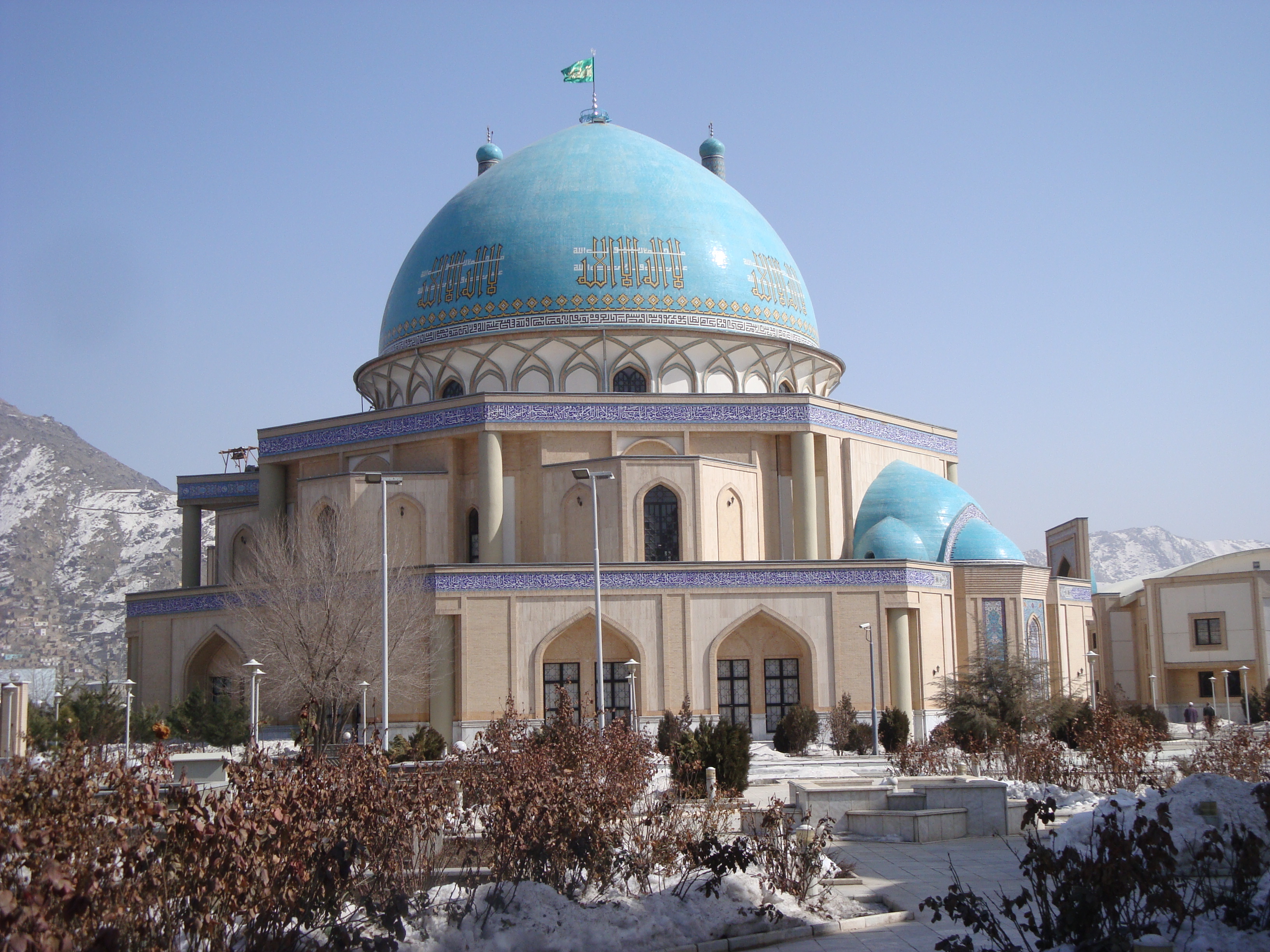
We visited this mosque

Took pictures of the Kabul Wall

And thanks to our fearless driver, drove some treacherous streets up Guzarga mountain to take pictures from the the top where a cannon used to set off at noon every day.

Day 5

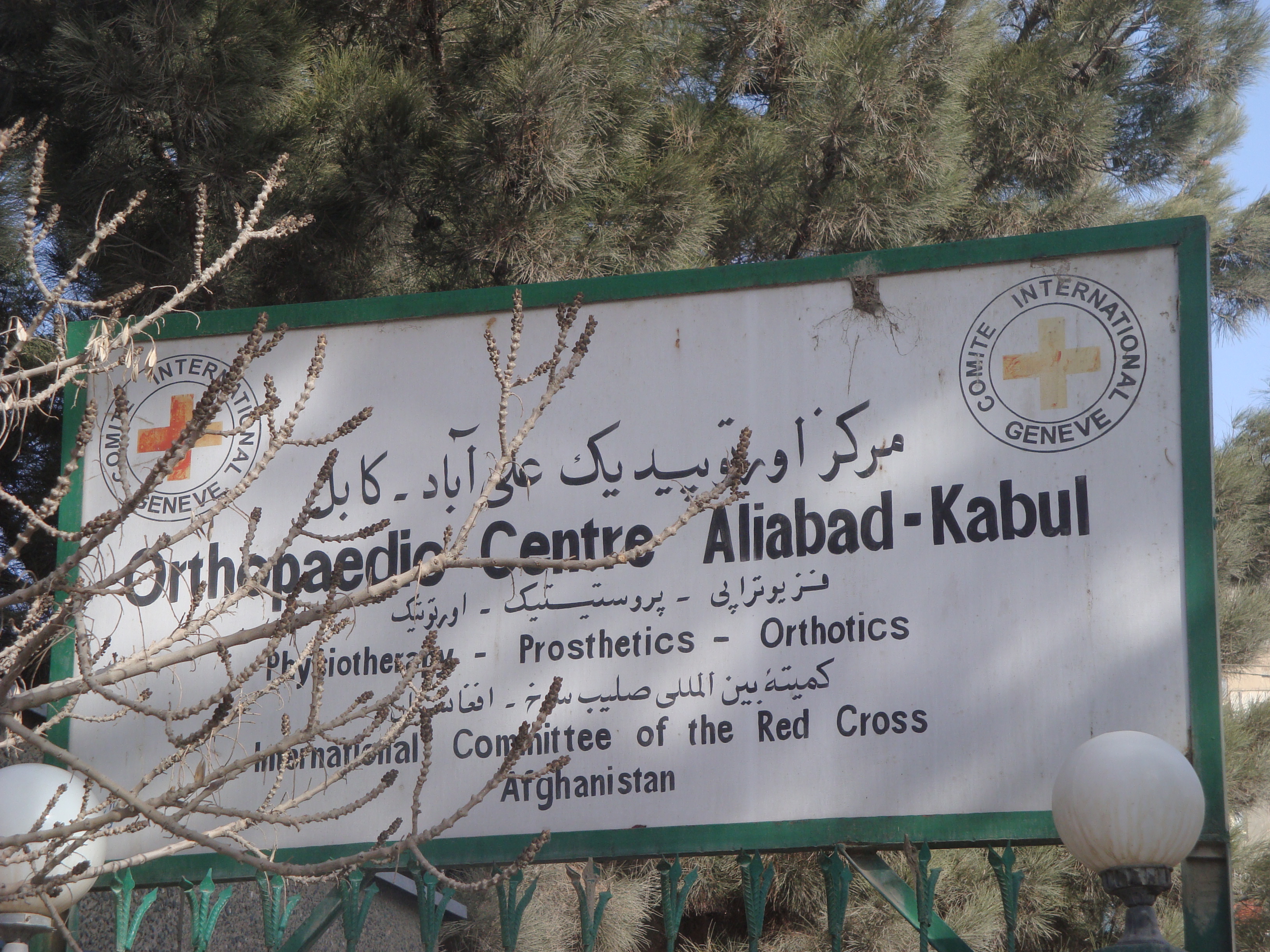
We started out by visiting the red cross orthopedic center in the morning. Our tour guide, Najib, had worked here during the war. We met with the head of the orthopedic center, Najmuddin Helal. In addition to providing medical services for disabled people they also provide social programs, educational, vocational and employment. The factory to make the prosthetics was on the same site of the hospital and they only employed disabled people a type of affirmative action which he referred to as ‘positive discrimination.’ Najmuddin Helal himself had lost both legs to a mine in 1988. He told us that 80% of the amputees who come for treatment are victims of land mines.

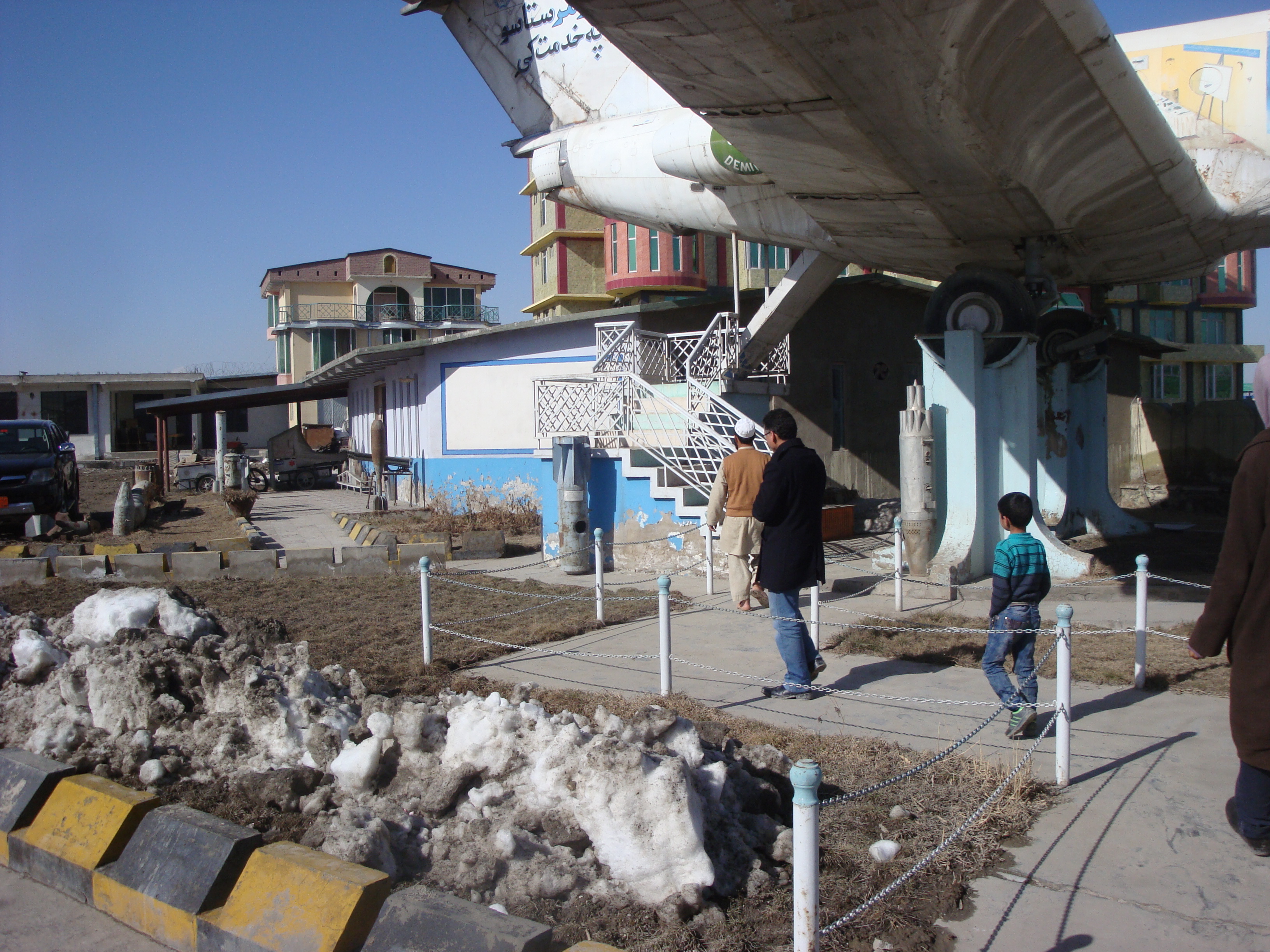
After meeting victims of mines it seemed fitting to visit the OMAR mining museum. In it they had examples of every different mine they had found in the countryside including the small butterfly mines that are particularly dangerous to children. They had educational materials, posters telling people not to step in unchecked areas as well as classrooms and even an internet cafe inside an old helicopter. OMAR is a de-mining organization and we saw their name on the side of the road elsewhere, indicating that this place was free of mines.

Also that day we met Fauzia Kufi the Parliamentary representative from Badakhshan and the chair of women’s rights committee. When asked how she came to power she explained that she comes from a political family; her father was elected four times and her older sister represents Tahar province. She expressed some uncertainty about Afghanistan’s future and the future of women. She said she hoped that the US would wait to pull out troops until after the elections in 2014.

Later that day we went into Old Town to take some pictures. Everyone we met was excited to show us what they were selling.

On our way back to the car some kids across the street were throwing snowballs. As I was stepping into the car one of them hit me square in the face with a dirty snowball. It didn’t really hurt but I was pretty shaken up. Boys will be boys.

Day 4

Day 4 was probably my favorite day of the trip. It may have a lot to do with the fact that I finally slept through the night after Day 3. The time difference from California to Kabul is 12.5 hours, so it took me a few days to adjust.

After my first good night’s sleep we went to visit Mahfuza Folad of the Justice for All Organization. I had done some volunteer work for her, online, from Chicago. They advocate for human rights including women, children and prisoners.

Next we went to visit the Peace Training and Research Organization, an Afghan NGO that does research and analysis in Afghanistan, focusing on hard-to reach provinces. These two were my favorite organizations and people we visited, I will talk more about them later.

Across the street we saw a girl’s class for Shin Gi Tai (New Full Contact) martial arts. The woman on the left, Monesa, was a 16 year old fighter who has already placed at international competitions. Kick Ass!

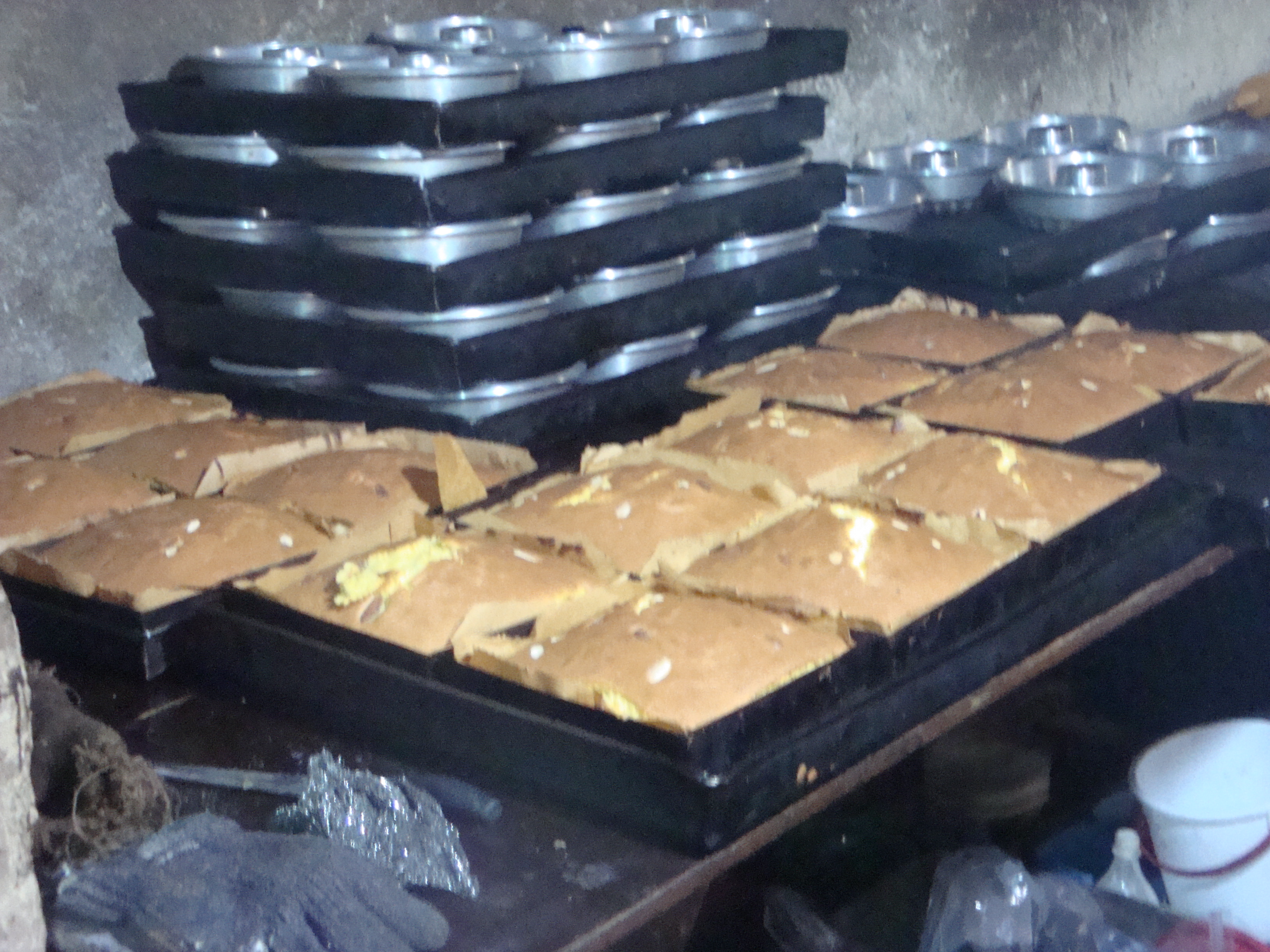
Downstairs was a bakery, where this man separated hundreds of eggs a day to make cakes and cookies. It was nice and warm down there.

Day 3

Saturday is the first day of the Islamic week, like our Monday. We got down to business for some serious meetings and visits. I remember it being particularly cold this day.

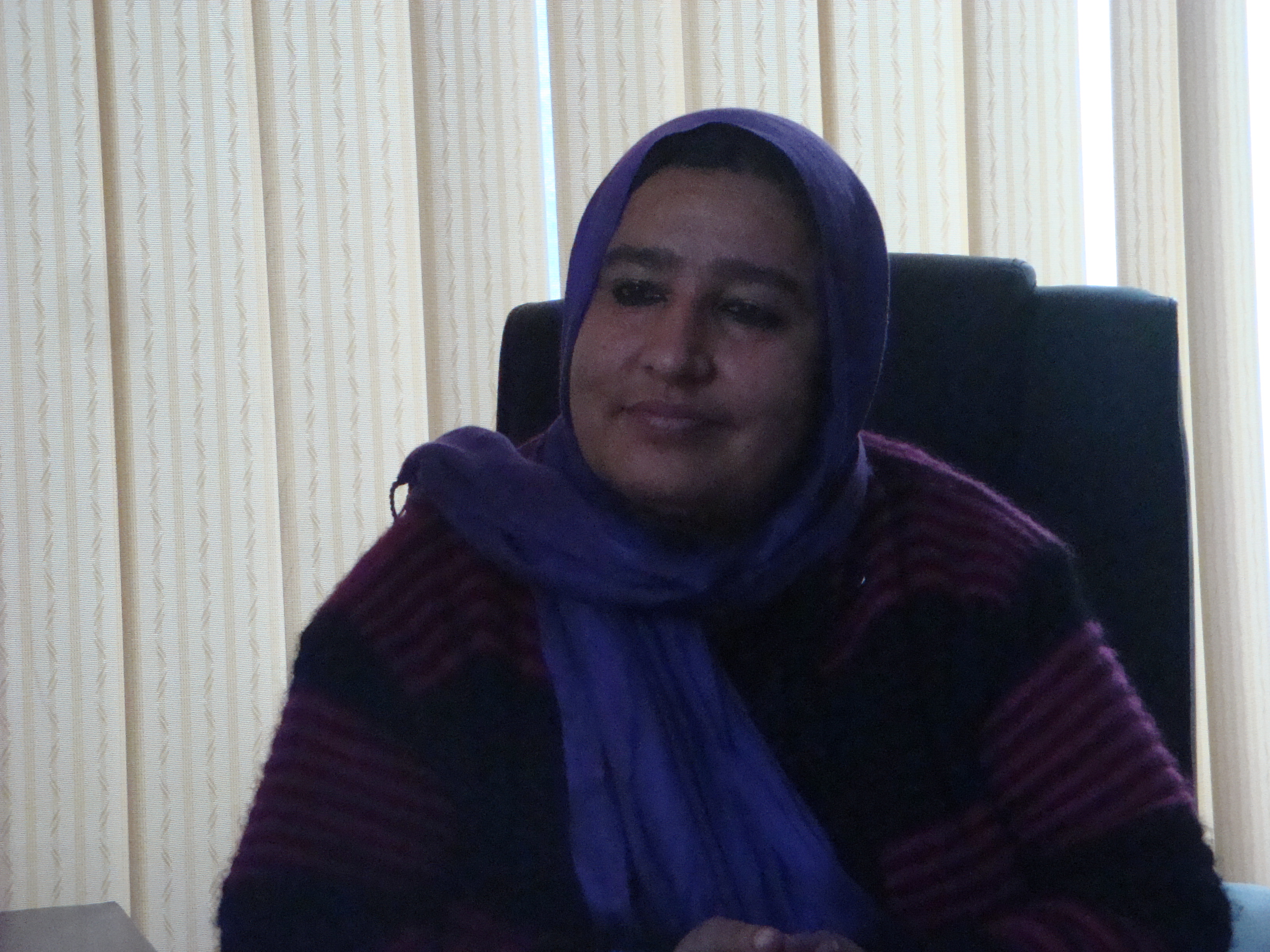
We started out by visiting the National Museum. We had to go through security first. We went through a lot of security checkpoints in Afghanistan; the guys generally got a patdown from the main guard with a gun and they asked the women to step into a back room, often behind a curtain, where a woman was waiting to check you. This time when we peeked behind the curtain there was a very old woman who wouldn’t let us leave without having some tea. While the men shivered outside, we drank green tea and smiled with this lady.

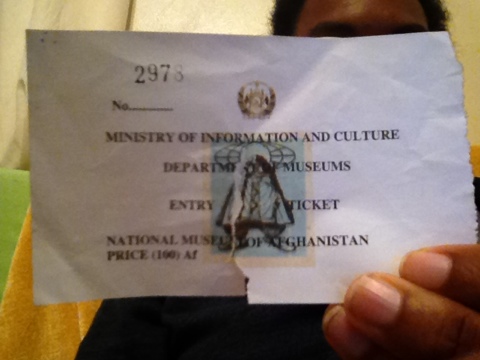
There were women working the ticket counter in the museum, though we saw few women on Thursday and Friday, we saw many women on Saturday as they returned to work.20120417-205034.jpg

;

When we got inside the museum it wasn’t much warmer than outside, in fact, it was quite a bit colder. In the spacious and lofty museum, with its high ceilings, we found guards huddled around a single heater coil.

After walking around the first floor we were able to meet with the museum director, Omara Khan Masoudi. He told us that in 1992 the museum had 100,000 pieces, but after the Soviet Invasion and Taliban civil War 70% of them had been looted.

The image below was taken in 2001, the museum had no roof for two years during the war and thousands of pieces were destroyed. With a grant from National Geographic they have been able to inventory 52,000 pieces so far. Mr. Masoudi was hopeful for the future and was working on building a new building and 12 provincial museums throughout the country.

On display right outside the museum was the first steam engine in Afghanistan, alongside the official car of each King, Queen, or President of Afghanistan who had a car. There are a few pictured below:

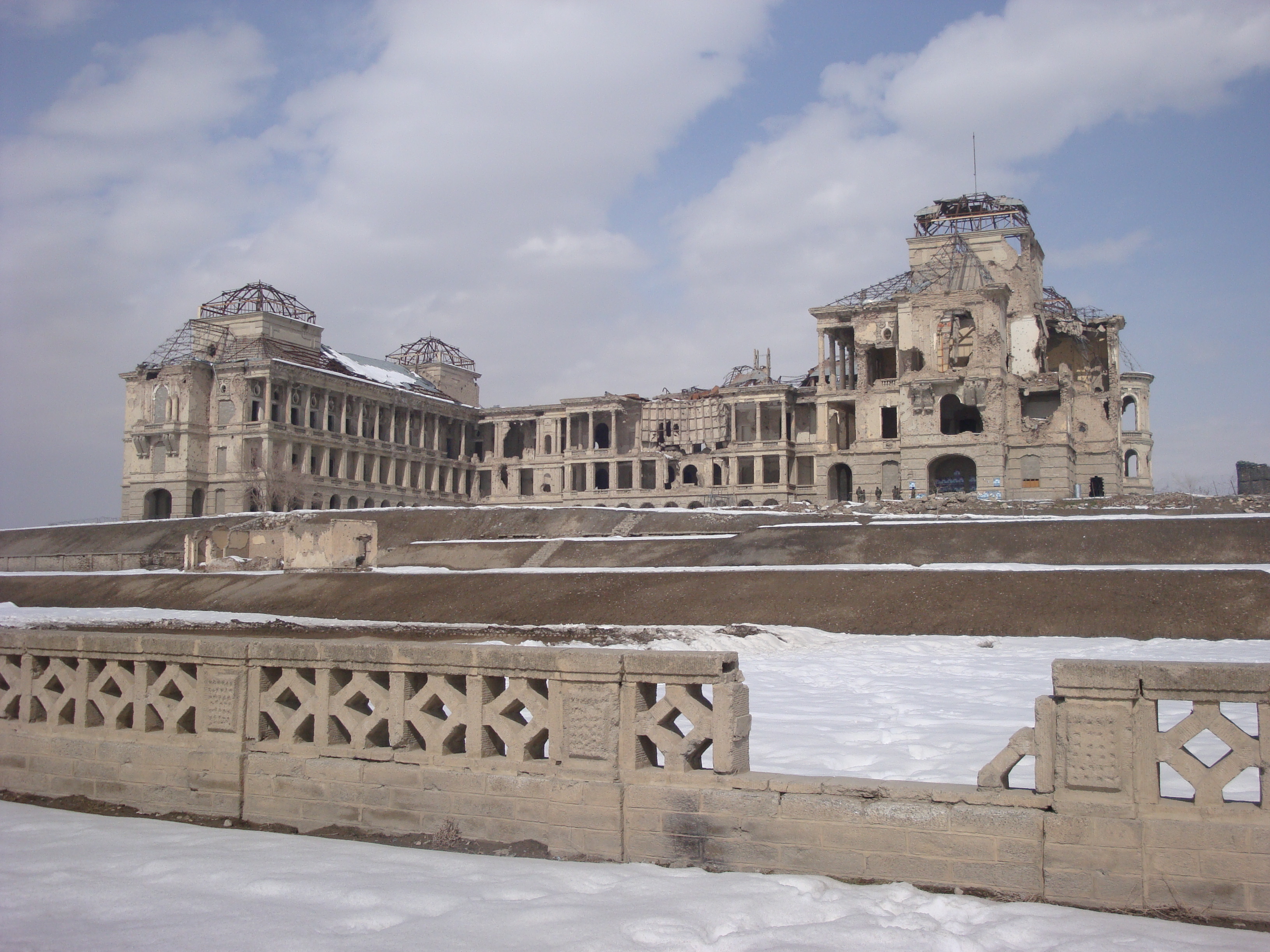
Next we went to visit the old palace, however, we weren’t able to get in because it had been mined.

From the palace grounds we could see this guest house, which they are in the process of retrofitting.

After that we went to visit Abdul Hakim Mujahid, who currently serves on Afghanistan’s High Peace Council. There was heavy security getting into his office, we had to sign in, they took pictures with our cameras to make sure they weren’t bombs, and we walked through a cavernous labyrinth before we reached our meeting room. Abdul Hakim Mujahid had been the UN representative for the Taliban for 4 years from 1997-2001. When we met him he was working on an address for the Taliban in Qatar. He stressed the importance of sharia to the Afghan people, saying they had always been the law, and that although the government has changed, the laws cannot.

Lastly, we visited Nasima Paymar of Nasima Silks and Zarif Designs. Like Fatima, she is a widow who founded her own business with help from B-Peace. Everywhere we went they gave us tea, but Nasima also gave us delicious dried mulberries to get us through the end of the day. Below you can see her showing off some designs in the factory, the women working didn’t want their pictures taken.

Thanks again to Tim for the sweet photos!